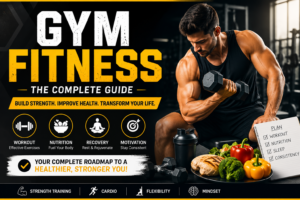


Weight Gain Tips: A Complete Guide to Healthy Weight Gain
Many people struggle to gain weight despite eating regularly. Whether you’re naturally skinny, recovering from an illness, or looking to build muscle, healthy weight gain requires a balanced approach. Simply eating junk food isn’t the answer—instead, focus on nutritious foods, strength training, and consistency.
In this comprehensive guide, you’ll learn practical and science-backed tips to gain weight in a healthy and sustainable way.
Why Is It Difficult to Gain Weight?
Several factors can make weight gain challenging, including:
- Fast metabolism
- Genetics
- Poor appetite
- High physical activity
- Medical conditions
- Stress and anxiety
If you’ve experienced sudden or unexplained weight loss, consult a healthcare professional before starting a weight gain plan.
1. Eat More Calories Than You Burn
To gain weight, your body needs a calorie surplus.
Aim to consume 300–500 extra calories per day for gradual weight gain. If you want faster results, increase your intake by 500–700 calories daily.
Best High-Calorie Healthy Foods
- Brown rice
- Oats
- Whole wheat bread
- Sweet potatoes
- Bananas
- Avocados
- Peanut butter
- Nuts and seeds
- Full-fat dairy products
- Olive oil
- Eggs
- Chicken breast
- Fish
- Lean beef
2. Increase Protein Intake
Protein helps repair muscles and promotes lean muscle growth.
Aim for:
1.6–2.2 grams of protein per kilogram of body weight daily.
Excellent Protein Sources
- Eggs
- Chicken
- Fish
- Paneer
- Greek yogurt
- Milk
- Lentils
- Chickpeas
- Tofu
- Whey protein
3. Eat Frequently
Instead of three large meals, try:
- Breakfast
- Mid-morning snack
- Lunch
- Evening snack
- Dinner
- Bedtime snack
Eating every 3–4 hours makes it easier to consume enough calories.
4. Choose Nutrient-Dense Foods
Avoid relying on sugary snacks and fast food.
Choose foods rich in:
- Protein
- Healthy fats
- Complex carbohydrates
- Vitamins
- Minerals
Healthy weight gain means gaining muscle—not just body fat.
5. Strength Training Is Essential
Resistance training tells your body to convert extra calories into muscle.
Best Exercises
- Squats
- Deadlifts
- Bench Press
- Pull-Ups
- Overhead Press
- Lunges
- Barbell Rows
Train 3–5 times per week, focusing on progressive overload by gradually increasing weights.
6. Drink High-Calorie Smoothies
Liquid calories are easier to consume than large meals.
Healthy Weight Gain Smoothie Recipe
Ingredients:
- 2 bananas
- 2 cups whole milk
- 2 tablespoons peanut butter
- 1 cup oats
- Honey
- Whey protein (optional)
This smoothie provides a substantial amount of calories, protein, and healthy carbohydrates.
7. Include Healthy Fats
Healthy fats are calorie-dense and nutritious.
Good options include:
- Almonds
- Walnuts
- Cashews
- Chia seeds
- Flaxseeds
- Peanut butter
- Olive oil
- Coconut
8. Don’t Skip Breakfast
A nutritious breakfast fuels your body and increases your daily calorie intake.
Healthy Breakfast Ideas
- Oatmeal with nuts and banana
- Peanut butter toast with milk
- Vegetable omelet with whole wheat bread
- Greek yogurt with granola
9. Stay Hydrated (But Don’t Drink Before Meals)
Drink enough water throughout the day, but avoid filling up on water immediately before eating, as it may reduce your appetite.
10. Get Enough Sleep
Muscles grow during recovery—not while you’re exercising.
Aim for:
- 7–9 hours of quality sleep every night
Good sleep also supports hormone balance and muscle recovery.
11. Track Your Progress
Weigh yourself once a week.
Track:
- Body weight
- Strength improvements
- Muscle measurements
- Progress photos
Adjust your calorie intake if your weight isn’t increasing after a few weeks.
Sample Weight Gain Meal Plan
Breakfast
- Oatmeal with banana
- Peanut butter toast
- 2 boiled eggs
- Glass of whole milk
Morning Snack
- Handful of mixed nuts
- Greek yogurt
Lunch
- Brown rice
- Grilled chicken or paneer
- Vegetables
- Salad
Evening Snack
- Weight gain smoothie
- Peanut butter sandwich
Dinner
- Whole wheat chapati
- Fish or chicken
- Mixed vegetables
Before Bed
- Glass of milk
- Almonds or walnuts
Foods to Eat More Often
- Rice
- Potatoes
- Oats
- Pasta
- Whole milk
- Cheese
- Yogurt
- Eggs
- Chicken
- Fish
- Lean meat
- Peanut butter
- Nuts
- Seeds
- Bananas
- Avocados
- Dried fruits
Common Mistakes to Avoid
- Skipping meals
- Eating too little protein
- Avoiding strength training
- Depending only on junk food
- Not sleeping enough
- Expecting instant results
- Inconsistent eating habits
Frequently Asked Questions (FAQs)
How long does it take to gain weight?
Healthy weight gain usually occurs at a rate of 0.25–0.5 kg (0.5–1 lb) per week with a consistent calorie surplus and strength training.
Can I gain weight without exercise?
Yes, but much of the weight gained may be body fat. Strength training helps ensure that more of the gain comes from lean muscle.
Are weight gain supplements necessary?
Not necessarily. Most people can meet their calorie and protein needs through whole foods. Supplements like whey protein can be convenient if you’re struggling to consume enough protein.
Is fast food good for weight gain?
Fast food may increase calories, but it often lacks essential nutrients and can negatively affect long-term health. Focus on nutrient-dense, whole foods instead.